Pricing Catalogue Templates: Your Blueprint for Wholesale Success
As a designer or small business owner, you know the feeling: your products are perfected, your brand story is compelling, but presenting it all to potential retailers feels like a hurdle. The gap between a great product and a professional sales tool can seem wide. This is where a well-structured Pricing Catalogue Template becomes more than just a document—it becomes your silent salesperson, working tirelessly to communicate value, clarity, and professionalism. It’s the bridge that connects your creative vision to the buyer's decision-making process.
Beyond a Simple Price List: The Anatomy of a Professional Catalog
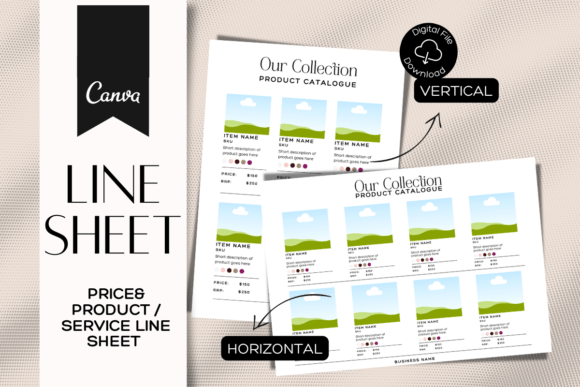
A powerful wholesale catalog or line sheet is a carefully orchestrated piece of visual communication. It’s not merely a grid of images and numbers. Think of it as a curated experience for the buyer. The visual characteristics of a high-quality template are defined by clean typography, strategic white space, and a logical flow that guides the eye. The personality should mirror your brand—whether that’s minimalist and modern, warm and artisanal, or bold and graphic. Its style is its ability to make your products the hero, using layout to create a sense of order and desirability that builds brand perception before a single word is read.
The overall appeal lies in its adaptability. A single design asset like this can serve multiple functions: a line sheet for quick scanning, a detailed catalog for in-depth review, and a pricing guide for transparent communication. It’s a cornerstone of a consistent brand identity, ensuring every retailer receives the same polished presentation.
Strategic Placement: Where Your Catalog Makes the Strongest Impact
The true power of a template is revealed in its application. For wholesale sales sheets and line sheets sent to dream retailers, clarity is paramount. Your template must facilitate easy comparison of SKUs, colors, and sizes. In packaging design and product development, a catalog can serve as an internal reference for production teams. For editorial design in lookbooks or brand magazines, the template’s grid system can be adapted to create visually rich spreads that tell a story alongside the products.
On the digital front, these templates are invaluable for web design and social media graphics. Imagine extracting a beautifully laid-out product page to become a featured image for an Instagram carousel or a dedicated product page on your website. The consistency in layout between your printed material and digital presence reinforces recognition and professionalism. For content creators and bloggers collaborating with brands, a customized catalog becomes a professional media kit, showcasing partnership opportunities in a structured, impressive format.
Design Decisions: Choosing and Customizing Your Template
Selecting the right Pricing Catalogue Template is a strategic choice. Start by evaluating the project fit. Does the template offer layouts for products with multiple colors and both long & short product descriptions? Your products are unique, and your catalog should accommodate that. Look for templates that include line sheet templates for quick orders and more detailed catalog pages for storytelling.
When you begin to personalize the template, think in terms of hierarchy. Use a display font for your brand name and section headers to inject personality, then pair it with a highly legible sans serif font or serif font for product details and pricing. This font pairing creates visual hierarchy and enhances readability. Always test your choices: print a sample page and view it on a phone screen to ensure the text is clear at various sizes.
The best modern templates are built in platforms like Canva for a reason: they empower you. The ability to drag, drop and move elements easily means you can duplicate and rearrange pages to match your product line’s flow. You can upload and use your own photos, change fonts and font sizes, and apply your brand’s exact color palette. This level of customization ensures the final product isn’t just a template—it’s a seamless extension of your brand identity. Remember, the goal is consistency. Every catalog that leaves your studio should look and feel like it came from the same thoughtful source, building trust with every interaction.
Practical Execution: From Template to Trade Show Ready
Once your design is finalized, consider its physical manifestation. The template’s size options—US Letter, A4, or A4 Horizontal—should be chosen based on your distribution plan. A horizontal layout can feel more expansive for showcasing a product collection, while a vertical format might be more traditional and easier to file. For digital distribution, export as a high-quality PDF to preserve layout and fonts.
Think about the audience engagement journey. A retailer flipping through your catalog should never feel lost. Use consistent labeling, clear pricing tables, and ensure your contact information is prominent on every page. The template is your framework; your content and products are the story. By leveraging a robust design asset like this, you save countless hours of layout work, allowing you to focus on what you do best: creating and curating. It’s not about cutting corners—it’s about working smarter, presenting with confidence, and opening doors to wholesale partnerships that can scale your business. The perfect catalog isn’t just seen; it’s used, filed, and acted upon.